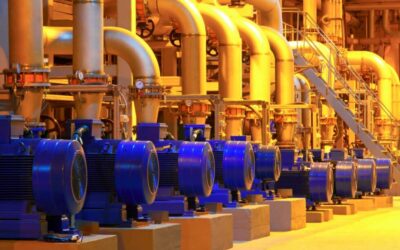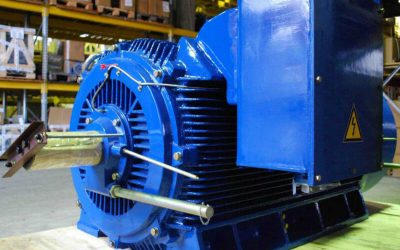
Industrial pumps are essential in many sectors, including water and wastewater management, oil and gas, power generation, chemicals, and petrochemicals. Whether the pump is moving drinking water, chemicals, oil, or anything else, pumps are crucial to the ability of plants to continue production.
Pump failure can bring production grinding to a halt until the pump can be repaired and the failure corrected, but businesses can take steps to prevent this costly failure.
Types of technical pump failures
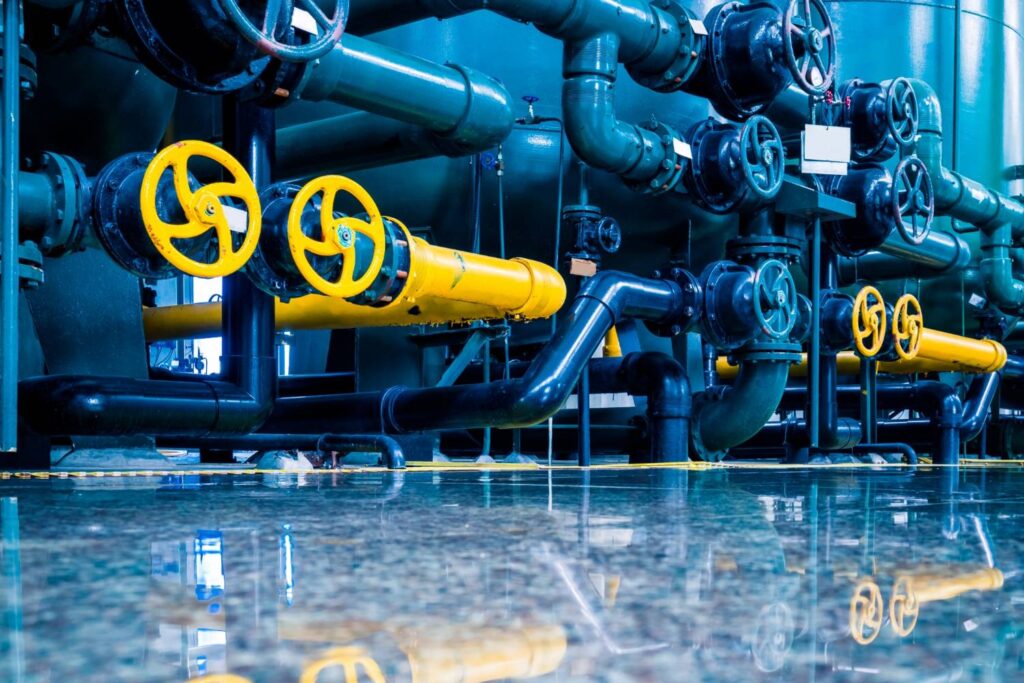
Pumps fail for many reasons. Some of the most common are:
1. Mechanical Failures
Mechanical pump failures can include wear and tear of moving parts, seal leaks, and bearing failures. Several factors, including improper installation, inadequate maintenance, or worn-out parts such as ball bearings, impellers, casings, and more can cause these issues.
2. Electrical Failures
Electrical failures include motor burnout, short circuits, overload tripping, insulation breakdown, and power supply problems. Issues such as excess voltage, improper wiring, thermal stress, moisture, and poor electrical connections can cause this type of failure.
3. Hydraulic Failures
Hydraulic failures are caused by issues related to fluid handling and affect pump performance and reliability. Issues like cavitation, pipe friction, thermal expansion, blockages, and incorrect pump selection for the fluid’s properties are all reasons for this type of failure.
4. Operational Failures
Pump failures caused by improper operation can be disastrous for the pump and its components. Running the pump dry, not performing necessary maintenance, improper installation, or operating it outside its recommended limits are just a few potential operational errors.
Impact of technical pump failures
While the reasons for the pump failures can vary, the result is the same: a pump that is no longer working and, in many cases, an entirely shut down production line.
Depending on the industry, pump failures don’t just cause your production to stop. There can be primary, costly consequences to pump failures.
In the wastewater treatment industry, pump failure could lead to significant repair costs, environmental contamination, fines, shutdown of the treatment process, and public health advisories. Service disruptions could be far-reaching and impact your brand name and ability to gain customers.
Pump failures in the oil and gas industry can have disastrous consequences, including environmental repercussions and the inability to deliver or refine oil, causing financial risks.
In the chemical industry, pump failures could cause the leakage of hazardous materials, potentially harming employees and damaging other equipment. It can also cause environmental contamination, fines, and inability to deliver promised goods to customers.
Manufacturing environments rely on multiple assets working effectively to create products for customers, but pump failure can cause damaged components, production downtime, repair costs, and inability to meet customer demand.
How to avoid pump failures
While no pump will work flawlessly forever, there are steps companies can take to ensure minimal downtime because of pump failures.
Regular maintenance and inspections
Regular maintenance of the pump and its components ensures it runs under the most ideal circumstances possible. Regularly scheduled maintenance tasks include lubrication, cleaning, and temperature checks.
During inspections, check for ball bearing wear, seal leaks, unusual vibrations or noise, fluid levels, and other essential items depending on the pump and its application. Performing regular maintenance and inspections will allow your team to notice any unusual wear and allow them to catch and correct pump issues before they cause production to shut down.
Proper installation and operation
Pumps are designed to work under specific parameters, and proper installation can maximize pump longevity. Before installing a pump, ensure it is the correct size and designed for the type and amount of fluid that needs to be moved. Operating a pump outside its design parameters can cause failure in pumps and their components.
Use of high-quality components
When replacing seals, bearings, gaskets, and impellers, choose high-quality components specifically designed for the pump. These will help extend pump life and minimize unexpected downtime.
Monitoring systems
Use systems to detect early signs of failure. Systems can include employee visual inspections and advanced technology-driven systems such as electrical signature analysis. Closely monitoring systems allow early intervention into any detected issues, ensuring maximum uptime and helping to keep equipment running effectively.
Training and procedures
Failures due to human error can be reduced or even eliminated with proper training and procedures. Training and well-documented procedures ensure correct pump operation and practices, extending pump life and minimizing unnecessary downtime.
How electrical signature analysis (ESA) can help prevent pump failure
Predictive maintenance is the process of locating and correcting problems before they cause complete failure. Electrical Signature Analysis (ESA) is one of the most effective methods of predictive maintenance and supports the health of your operation.
ESA uses non-invasive smart sensors to monitor voltage, current, and power draw. The data is processed into a customizable user interface, which maintenance teams can use to monitor conditions and performance. AI-driven insights collected from the sensors quickly detect changes, locate faults developing in assets, and permit early intervention.
Early intervention allows scheduled maintenance and fault correction, allowing these to be performed during scheduled downtime instead of unexpectedly interrupting processes. Early intervention also helps prevent a minor problem from becoming more dangerous.
Even before there is a problem, ESA monitors total run time, providing precise data for calculating asset uptime, monitoring and scheduling maintenance based on run time, and helping to anticipate the asset’s useful life.
Predictive maintenance is a highly effective method of reducing financial, compliance, and reputational losses due to pump failure. Electrical signature analysis is a cost-effective method of predicting and avoiding pump failures. GRT’s PowerLink Platform provides a complete view of the asset’s performance and data along with actionable predictive maintenance insights. Contact us to learn how your organization can leverage ESA data to prevent pump failure and effectively monitor assets across your organization.